Your cart is currently empty.
When you add a product, it will appear here.
Fashion, an ever-evolving art form, is heavily influenced by a complex interplay of cultural, economic, and technological forces. Predicting the next big thing in clothing and style is crucial for designers, brands, and retailers. Fashion trend forecasting is not mere guesswork; it’s a strategic process that combines research, analysis, and intuition to anticipate future consumer desires and preferences.
Trend forecasters employ a range of qualitative methods to gain insights into emerging trends. These methods emphasize understanding the ‘why’ behind consumer behavior and identifying subtle shifts in cultural attitudes.
Quantitative methods provide statistical data and analytical insights to support qualitative findings and identify patterns in consumer behavior. These methods offer a more data-driven approach to trend forecasting.
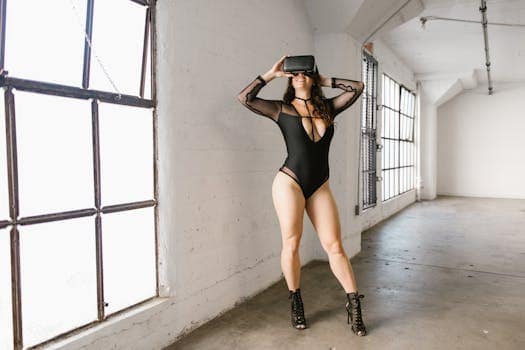
Technology is playing an increasingly important role in fashion trend forecasting. AI-powered tools can analyze vast amounts of data from various sources, including social media, e-commerce websites, and fashion blogs, to identify emerging trends and predict future demand. Virtual reality (VR) and augmented reality (AR) technologies are also being used to create immersive experiences that allow consumers to preview and interact with new styles before they are even released. These technologies enable forecasters to gather valuable feedback and refine their predictions.
Many fashion brands rely on specialized trend forecasting agencies and consultancies to stay ahead of the curve. These agencies employ teams of expert researchers and analysts who use a variety of methods to identify and predict emerging trends. They provide detailed reports, presentations, and consultations to help brands develop new products, design marketing campaigns, and make strategic business decisions.
Fashion trend forecasting is a dynamic and multifaceted process that requires a combination of qualitative and quantitative research methods, technological tools, and expert insights. By understanding the various forces that shape consumer behavior and adopting a strategic approach to trend forecasting, fashion brands can successfully anticipate future trends and remain competitive in the ever-changing world of style and clothing.