Your cart is currently empty.
When you add a product, it will appear here.
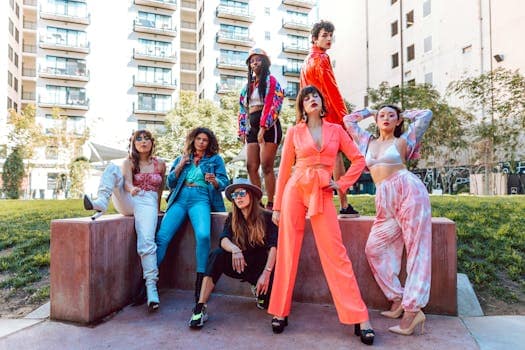
The fashion industry is undergoing a significant transformation, driven by increasing consumer awareness and a growing commitment to environmental responsibility. Sustainable style is no longer a niche concept but a core movement reshaping the landscape of clothing and design. This blog post explores the key trends and innovations driving eco-friendly fashion forward.
One of the most prominent trends in sustainable fashion is the adoption of recycled materials. Brands are increasingly utilizing recycled polyester (rPET) made from plastic bottles, recycled cotton from textile waste, and other innovative materials like recycled nylon from fishing nets. This reduces the demand for virgin resources and minimizes waste sent to landfills.
Organic cotton, hemp, linen, and other natural fibers are gaining popularity as alternatives to conventionally grown cotton, which often relies on heavy pesticide use. Furthermore, the use of natural dyes derived from plants, minerals, and insects is reducing the environmental impact of textile dyeing, a traditionally water-intensive and polluting process.
Circular fashion focuses on minimizing waste and maximizing the lifespan of clothing. This includes initiatives such as:
Sustainable fashion extends beyond environmental concerns to encompass ethical production and fair labor practices. Brands are prioritizing transparency in their supply chains, ensuring safe working conditions, and paying fair wages to garment workers. Certifications like Fair Trade and GOTS (Global Organic Textile Standard) provide assurance of ethical and sustainable practices.
Emerging technologies are playing a crucial role in advancing sustainable fashion. These include:
Sustainable style is not just a trend; it’s the future of fashion. By embracing recycled materials, organic fabrics, circular business models, ethical production, and innovative technologies, the fashion industry can significantly reduce its environmental footprint and create a more responsible and sustainable future for clothing.