Your cart is currently empty.
When you add a product, it will appear here.
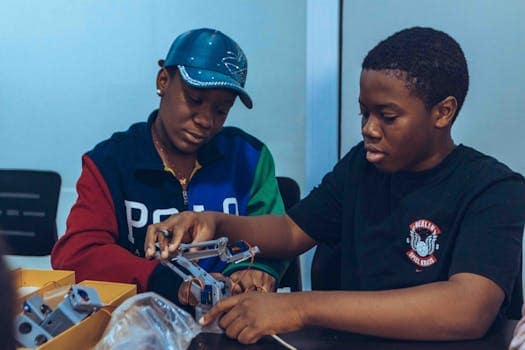
Artificial Intelligence (AI) is rapidly transforming industries worldwide, and the fashion world is no exception. From predicting trends to optimizing manufacturing processes, AI is poised to revolutionize how we design, produce, and consume clothing. This blog post explores the exciting applications of AI in fashion design and its potential to shape the future of style.
One of the most promising applications of AI in fashion is trend forecasting. AI algorithms can analyze vast amounts of data from social media, online retailers, fashion blogs, and runway shows to identify emerging trends with unparalleled accuracy. This allows designers to stay ahead of the curve and create collections that resonate with consumers’ evolving tastes. AI can predict not only broad trends like color palettes and silhouettes but also micro-trends like specific patterns or embellishments.
AI can also assist designers in the creative process. AI-powered design tools can generate new design ideas based on given parameters, such as target audience, style preferences, and desired price point. These tools can also help designers visualize their creations in 3D, experiment with different fabrics and colors, and optimize designs for manufacturability. This allows designers to explore a wider range of possibilities and create more innovative and impactful designs.
AI is also transforming textile manufacturing. AI-powered robots can automate tasks such as cutting, sewing, and quality control, leading to increased efficiency and reduced waste. AI algorithms can also optimize fabric usage, minimize defects, and improve the overall quality of garments. This can lead to lower production costs and more sustainable manufacturing practices.
AI is also playing a growing role in personalized shopping experiences. AI-powered recommendation engines can suggest clothing items that are tailored to individual shoppers’ preferences based on their past purchases, browsing history, and demographic information. AI chatbots can provide personalized styling advice and answer customer questions in real-time. This can lead to increased customer satisfaction and loyalty.
The applications of AI in fashion are constantly evolving. In the future, we can expect to see even more sophisticated AI-powered tools that can further enhance the design process, optimize manufacturing, and personalize the shopping experience. AI has the potential to make fashion more creative, efficient, sustainable, and accessible to all.
AI is no longer a futuristic concept in fashion; it is a present-day reality. By embracing AI, fashion designers and retailers can unlock new levels of creativity, efficiency, and personalization, ultimately shaping the future of style.