Your cart is currently empty.
When you add a product, it will appear here.
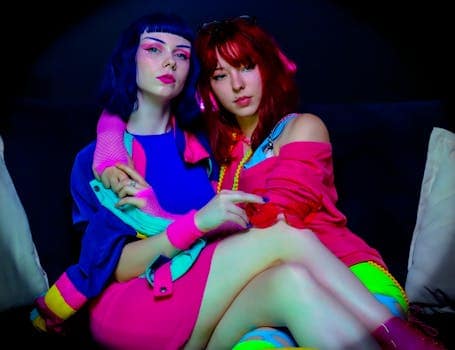
The fashion world is no stranger to innovation, but the rise of the metaverse presents a paradigm shift unlike any other. Digital-only fashion, once a niche concept, is rapidly gaining traction, fueled by the increasing popularity of virtual worlds and the desire for unique, expressive online identities. This blog post delves into the exciting realm of digital wearables and NFTs, exploring their potential to revolutionize how we design, consume, and experience fashion.
Digital wearables are clothing and accessories that exist solely in the digital realm. They can be worn by avatars in virtual worlds, used as filters on social media, or even projected onto real-world bodies using augmented reality. The appeal of digital fashion lies in its limitless possibilities: garments can defy the laws of physics, transform in real-time, and be instantly customized to fit any style. Think holographic dresses that shimmer with light, gravity-defying jackets that float around your avatar, and ever-changing sneakers that adapt to your mood.
Non-fungible tokens (NFTs) are revolutionizing digital ownership, allowing designers to create and sell unique digital fashion items. Each NFT is a one-of-a-kind digital asset that can be verified on the blockchain, providing proof of authenticity and ownership. This opens up new avenues for designers to connect directly with consumers, bypass traditional retail channels, and establish a loyal community around their brand. Furthermore, it allows consumers to truly own their digital fashion pieces, showcasing them in virtual galleries, trading them on marketplaces, and using them to express their individuality.
Digital-only fashion is not just a trend; it’s a fundamental shift in how we perceive and interact with clothing. As the metaverse continues to evolve, digital wearables and NFTs will play an increasingly important role in shaping our online identities and experiences. By embracing innovation and exploring the possibilities of digital fashion, we can create a more sustainable, accessible, and expressive future for the fashion industry.