Your cart is currently empty.
When you add a product, it will appear here.
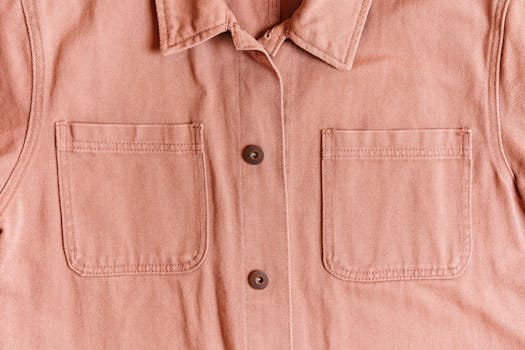
The fashion industry is undergoing a massive transformation, driven by growing consumer awareness and concern for the environment. Sustainable fashion is no longer a niche concept but a mainstream movement, with designers and brands embracing eco-friendly practices to create stylish and responsible clothing.
One of the most significant trends in sustainable clothing is the use of organic cotton and other natural fibers like hemp, linen, and bamboo. These materials are grown without harmful pesticides and chemicals, reducing their environmental impact and promoting healthier ecosystems. Organic cotton is soft, breathable, and durable, making it an excellent choice for a wide range of garments.
Upcycling and recycling are also gaining popularity as sustainable alternatives. Upcycling involves transforming discarded materials into new and valuable products, while recycling breaks down used textiles into fibers that can be spun into new yarns. These processes reduce waste, conserve resources, and give new life to old materials.
The fashion industry is constantly exploring innovative sustainable fabrics. Piñatex, made from pineapple leaf fibers, is a vegan alternative to leather that is both durable and biodegradable. Mushroom leather, grown from mycelium, the root structure of mushrooms, is another promising material that offers a sustainable and cruelty-free alternative to traditional leather.
Sustainable fashion goes beyond just the materials used. It also encompasses ethical production and fair labor practices. Brands are increasingly committed to ensuring that their garments are made in safe and fair working conditions, with fair wages and opportunities for workers. Transparency and traceability are key to building trust with consumers and promoting a more ethical fashion industry.
Sustainable fashion is the future of the industry. By embracing eco-friendly materials, ethical production practices, and innovative designs, we can create a more responsible and stylish wardrobe that benefits both people and the planet. As consumers, we have the power to drive change by supporting brands that are committed to sustainability and making conscious choices about our clothing purchases.