Your cart is currently empty.
When you add a product, it will appear here.
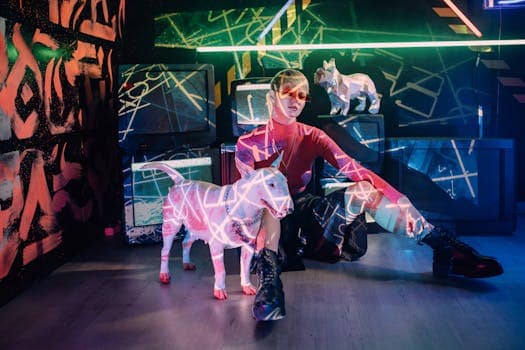
The metaverse, once a futuristic concept, is rapidly transforming the fashion industry, particularly in the realm of digital-only fashion. Digital-only fashion refers to clothing and accessories that exist solely in the digital world, worn by avatars and used in virtual experiences. The metaverse offers unprecedented opportunities for designers to experiment, create, and showcase innovative styles without the constraints of physical materials and manufacturing processes.
Several metaverse platforms are becoming hubs for digital fashion. Games like Fortnite and Roblox have already integrated digital skins and clothing, generating significant revenue for both the platforms and the creators. Dedicated virtual worlds like Decentraland and The Sandbox are also seeing a rise in digital fashion weeks and virtual boutiques. These platforms allow users to express their individuality through unique and often extravagant digital attire.
The creation of digital-only fashion involves specialized software and skills. Designers are using tools like Clo3D, Marvelous Designer, and Blender to create realistic 3D models of clothing. These tools allow designers to simulate fabric behavior, add intricate details, and create dynamic animations. Understanding these tools is becoming essential for aspiring fashion designers.
The metaverse is not just a passing trend; it’s a fundamental shift in how we interact with fashion. As virtual worlds become more immersive and sophisticated, digital-only fashion will play an increasingly important role in self-expression, social interaction, and economic activity. Fashion brands, both established and emerging, need to embrace this digital revolution to stay relevant and competitive.