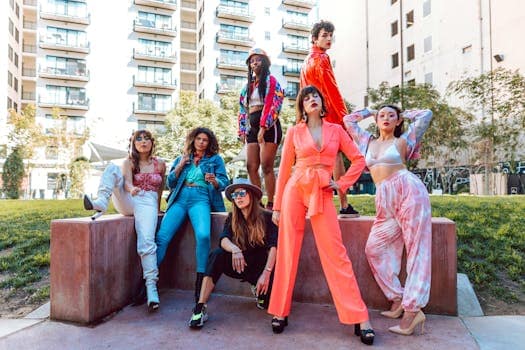
Sustainable Style: Eco-Friendly Clothing Trends Shaping the Future of Fashion
Introduction
The fashion industry is undergoing a significant transformation, driven by increasing awareness of its environmental impact. Consumers are demanding more sustainable and ethical options, prompting designers and brands to embrace eco-friendly practices and materials. This blog post explores the key sustainable clothing trends that are shaping the future of fashion.
The Rise of Recycled Materials
One of the most prominent trends is the use of recycled materials. This includes:
Recycled Polyester: Made from plastic bottles and other post-consumer waste, recycled polyester reduces reliance on virgin petroleum and helps to divert waste from landfills.
Recycled Cotton: Utilizing pre- and post-consumer cotton scraps, recycled cotton minimizes water and pesticide usage associated with conventional cotton farming.
Upcycled Fabrics: Giving new life to discarded textiles, upcycling transforms waste into unique and stylish garments.
Organic and Natural Fibers
Another crucial aspect of sustainable fashion is the adoption of organic and natural fibers, such as:
Organic Cotton: Grown without synthetic pesticides or fertilizers, organic cotton promotes healthier ecosystems and reduces environmental pollution.
Hemp: A fast-growing, low-impact crop, hemp requires minimal water and pesticides, making it a highly sustainable fiber.
Linen: Made from flax plants, linen is a durable and breathable fabric that requires less water and pesticides than cotton.
Waterless Dyeing and Printing
Traditional dyeing and printing processes can be highly water-intensive and polluting. Sustainable alternatives include:
AirDye Technology: This innovative technology uses air instead of water to dye fabrics, significantly reducing water consumption and pollution.
Digital Printing: Offering precise color control and minimal waste, digital printing allows for on-demand production and reduces the need for large-scale dye baths.
Ethical Manufacturing and Fair Labor Practices
Sustainable fashion also encompasses ethical manufacturing and fair labor practices. This includes:
Transparency in the Supply Chain: Brands are increasingly transparent about their supply chains, allowing consumers to trace the origins of their clothing and ensure fair labor practices.
Fair Wages and Safe Working Conditions: Supporting fair wages and safe working conditions for garment workers is essential for ethical fashion.
Local Production: Choosing locally produced garments reduces transportation emissions and supports local economies.
Conclusion
Sustainable style is no longer a niche trend but a fundamental shift in the fashion industry. By embracing recycled materials, organic fibers, waterless dyeing techniques, and ethical manufacturing practices, we can create a more environmentally and socially responsible fashion system. As consumers become more conscious of their purchasing decisions, the demand for sustainable clothing will continue to drive innovation and positive change in the industry.