Your cart is currently empty.
When you add a product, it will appear here.
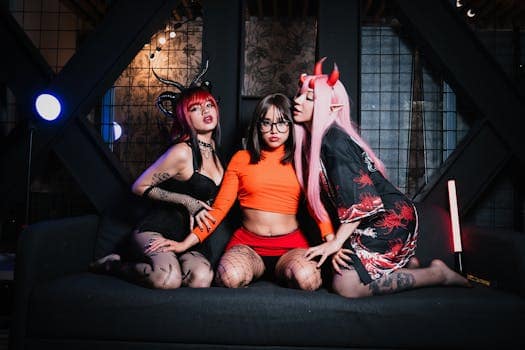
The metaverse, once a futuristic concept, is rapidly becoming a tangible reality, and its impact on the fashion industry is undeniable. From virtual fashion shows to digital wearables, the metaverse offers exciting new avenues for creativity, expression, and commerce. This blog post explores how the metaverse is transforming the landscape of digital clothing and fashion design.
One of the most significant impacts of the metaverse is the rise of digital-only fashion. Designers are now creating clothing that exists solely in the virtual world, allowing users to express their unique style in online environments. These digital garments can be worn by avatars, used in virtual events, or even integrated into augmented reality experiences.
The metaverse is also revolutionizing the way fashion shows and events are conducted. Virtual fashion shows offer a global audience the opportunity to experience the latest collections from the comfort of their homes. These events can be highly interactive, allowing attendees to engage with designers, models, and other fashion enthusiasts in real-time.
Non-fungible tokens (NFTs) are playing an increasingly important role in the digital fashion ecosystem. NFTs allow designers to create unique, verifiable digital assets that can be bought, sold, and traded on blockchain platforms. This provides a new revenue stream for designers and ensures the authenticity and ownership of digital garments.
While the metaverse offers tremendous potential for the fashion industry, there are also challenges to overcome. Issues such as interoperability, digital identity, and the need for skilled 3D designers are all areas that require attention. However, the opportunities are vast, and the metaverse is poised to reshape the future of fashion in profound ways.
The metaverse is not just a technological trend; it’s a cultural shift that is transforming how we interact with fashion. As the metaverse continues to evolve, we can expect to see even more innovative and exciting applications of digital clothing and fashion design. From virtual fashion shows to NFT-based garments, the possibilities are endless.