Your cart is currently empty.
When you add a product, it will appear here.
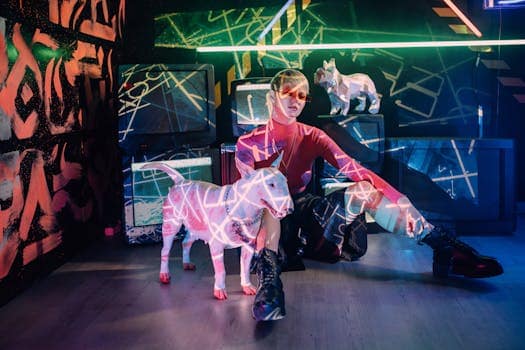
Artificial intelligence (AI) is rapidly transforming industries across the board, and the fashion world is no exception. From design and manufacturing to marketing and retail, AI is offering innovative solutions and creating exciting new possibilities. This blog post explores the key ways AI is impacting fashion, highlighting current trends and future potential.
One of the most significant applications of AI in fashion is in design and manufacturing. AI algorithms can analyze vast amounts of data on current trends, consumer preferences, and historical sales data to predict future demand. This allows designers to create clothing lines that are more likely to resonate with consumers, reducing waste and increasing profitability.
AI is also being used to automate certain aspects of the manufacturing process. For instance, AI-powered robots can cut fabric with greater precision and speed than human workers, leading to increased efficiency and reduced costs. Additionally, AI can optimize supply chain management, ensuring that materials are available when and where they are needed.
AI is revolutionizing the way consumers shop for clothing. AI-powered recommendation engines can analyze a customer’s past purchases, browsing history, and social media activity to suggest items that they are likely to be interested in. Virtual stylists can provide personalized advice on clothing choices, helping customers find the perfect outfit for any occasion.
Chatbots are also becoming increasingly common in online fashion retail. These AI-powered assistants can answer customer questions, provide product information, and even process orders. This enhances the customer experience and reduces the workload on human customer service representatives.
Predicting the next big trend is crucial in the fast-paced world of fashion. AI algorithms can analyze social media data, fashion blogs, and runway shows to identify emerging trends and predict their popularity. This allows designers and retailers to stay ahead of the curve and offer consumers the latest styles.
AI is also playing a key role in the integration of virtual and augmented reality (VR/AR) into the fashion industry. Virtual try-on apps allow customers to see how clothing will look on them without physically visiting a store. AR apps can overlay digital clothing onto real-world images, allowing customers to experiment with different styles and outfits.
AI can also contribute to a more sustainable and ethical fashion industry. AI-powered systems can optimize resource allocation, reduce waste, and improve the efficiency of supply chains. AI can also be used to identify and address ethical concerns, such as labor exploitation and environmental pollution.
AI is transforming the fashion industry in profound ways. From design and manufacturing to retail and marketing, AI is offering innovative solutions and creating exciting new possibilities. As AI technology continues to evolve, we can expect even more transformative changes in the years to come. Embracing AI and its capabilities is essential for fashion businesses to stay competitive and meet the evolving needs of consumers.