Your cart is currently empty.
When you add a product, it will appear here.
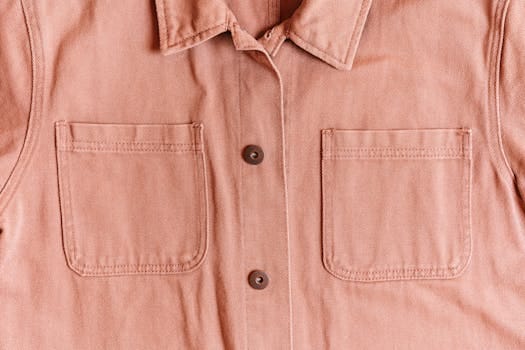
Artificial intelligence (AI) is no longer a futuristic fantasy; it’s a present-day reality transforming industries across the board. And the fashion world is no exception. From predicting trends to personalizing shopping experiences and optimizing supply chains, AI is rapidly reshaping how we design, produce, and consume clothing.
One of the most exciting applications of AI in fashion is trend forecasting. AI algorithms can analyze vast amounts of data from social media, fashion blogs, runway shows, and retail sales to identify emerging patterns and predict future trends with remarkable accuracy. This allows designers to stay ahead of the curve and create collections that resonate with consumers. Think of it as having a crystal ball that shows you what styles will be hot next season.
AI is also enhancing the shopping experience by providing personalized style recommendations. By analyzing a customer’s purchase history, browsing behavior, and social media activity, AI algorithms can suggest clothing items that match their individual taste and preferences. This not only makes shopping more convenient but also helps customers discover new styles they might not have considered otherwise.
The impact of AI extends beyond design and retail. In textile manufacturing, AI is being used to optimize production processes, reduce waste, and improve quality control. For example, AI-powered robots can inspect fabrics for defects, ensuring that only the highest quality materials are used in garment production. AI can also predict demand for different fabrics and colors, helping manufacturers avoid overstocking and minimize waste.
Perhaps the most groundbreaking application of AI in fashion is the creation of AI-generated designs. Using generative adversarial networks (GANs), AI algorithms can learn the stylistic features of different designers and create entirely new designs that are both innovative and commercially viable. This opens up a world of possibilities for designers, allowing them to explore new ideas and push the boundaries of creativity.
As with any technology, there are ethical considerations to be addressed. It’s crucial to ensure that AI algorithms are not biased and that they are used in a way that promotes diversity and inclusion in the fashion industry. Additionally, it’s important to consider the impact of AI on employment in the fashion industry and to provide training and support for workers who may be displaced by automation.
AI is transforming the fashion industry in profound ways, from predicting trends to personalizing shopping experiences and optimizing manufacturing processes. While there are ethical considerations to be addressed, the potential benefits of AI for the fashion world are undeniable. As AI technology continues to evolve, we can expect to see even more innovative applications emerge, further blurring the lines between human creativity and artificial intelligence. The future of fashion is intelligent, personalized, and sustainable, thanks to the power of AI.