Your cart is currently empty.
When you add a product, it will appear here.
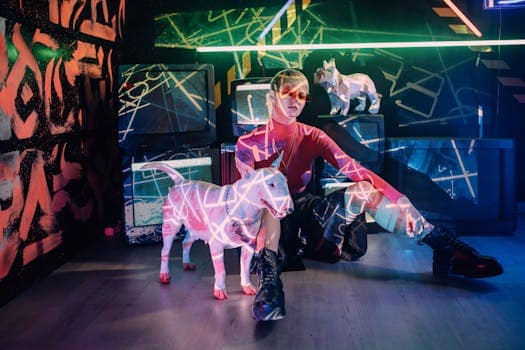
Artificial Intelligence (AI) is no longer a futuristic fantasy; it’s a tangible force reshaping industries worldwide. The fashion industry, known for its constant evolution, is embracing AI to enhance creativity, streamline processes, and personalize the customer experience. From predicting trends to optimizing supply chains, AI is proving to be a powerful ally for designers, manufacturers, and retailers.
Predicting the next big thing is crucial in fashion. AI algorithms can analyze vast amounts of data – social media trends, runway shows, sales figures, and even weather patterns – to identify emerging patterns and forecast future trends with remarkable accuracy. This allows designers to stay ahead of the curve and create collections that resonate with consumers.
AI isn’t just about predicting what people want; it’s also about helping designers create it. AI-powered design tools can generate unique patterns, suggest innovative fabric combinations, and even create entire garment designs based on specific parameters. Furthermore, AI enables personalized fashion experiences. Imagine virtual stylists using AI to recommend outfits based on your body type, preferences, and lifestyle. Or online retailers offering customized clothing designs tailored to your exact measurements and style.
Beyond design, AI is transforming the fashion manufacturing process. AI-powered robots can automate tasks like cutting, sewing, and quality control, increasing efficiency and reducing waste. AI also plays a crucial role in optimizing supply chains. By analyzing data on demand, inventory levels, and shipping routes, AI can help companies minimize costs, reduce lead times, and ensure timely delivery of products.
The integration of AI into fashion is still in its early stages, but the potential is enormous. We can expect to see even more sophisticated AI-powered tools that empower designers, enhance the customer experience, and drive sustainability. As AI continues to evolve, it will undoubtedly play an increasingly important role in shaping the future of fashion.
As with any powerful technology, it’s crucial to consider the ethical implications of AI in fashion. Issues such as data privacy, algorithmic bias, and job displacement need to be addressed to ensure that AI is used responsibly and benefits everyone in the industry.