Your cart is currently empty.
When you add a product, it will appear here.
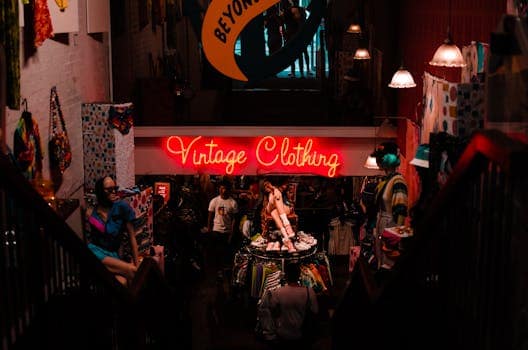
Artificial Intelligence (AI) is rapidly transforming numerous industries, and the fashion world is no exception. From predicting trends to optimizing supply chains, AI is poised to revolutionize the way we design, manufacture, and consume clothing. This blog post explores the exciting applications of AI in fashion, highlighting its potential to create more personalized, sustainable, and innovative apparel.
One of the most promising applications of AI in fashion is trend forecasting. AI algorithms can analyze vast amounts of data from social media, fashion blogs, runway shows, and sales records to identify emerging trends with remarkable accuracy. This allows designers and retailers to anticipate consumer demand and create collections that are perfectly aligned with current tastes. Imagine a world where clothing is always on-trend, minimizing waste and maximizing customer satisfaction.
AI is also making it possible to deliver highly personalized style recommendations to individual consumers. By analyzing a customer’s past purchases, browsing history, and social media activity, AI algorithms can create a detailed profile of their personal style. This information can then be used to suggest clothing items and outfits that are tailored to their unique preferences. This not only enhances the shopping experience but also helps customers discover new styles they might not have considered otherwise.
AI is streamlining textile manufacturing. AI-powered robots can automate tasks like cutting fabric, sewing seams, and inspecting finished garments, resulting in increased efficiency and reduced production costs. AI algorithms can also be used to optimize fabric design, creating innovative patterns and textures that are both visually appealing and functional. Furthermore, AI aids in minimizing waste by optimizing fabric usage during the cutting process.
AI is facilitating virtual try-on experiences, allowing customers to see how clothing looks on them without physically trying it on. This is particularly valuable for online retailers, as it can significantly reduce the number of returns. AI is also driving the development of digital fashion, where clothing exists solely in the digital realm. Digital fashion allows for experimentation with bold and innovative designs that would be impossible or impractical to create in the physical world.
AI can contribute to a more sustainable fashion industry. By optimizing supply chains, reducing waste, and promoting responsible consumption, AI can help to minimize the environmental impact of the fashion industry. For example, AI can be used to predict demand more accurately, reducing the need for excessive production and minimizing textile waste. Furthermore, AI can help to identify sustainable materials and manufacturing processes, enabling designers to create eco-friendly clothing.
AI is rapidly transforming the fashion industry, offering exciting opportunities for innovation and sustainability. From predicting trends to personalizing style recommendations, AI is poised to revolutionize the way we design, manufacture, and consume clothing. As AI technology continues to evolve, we can expect to see even more transformative applications emerge in the years to come. The future of fashion is intelligent, personalized, and sustainable, thanks to the power of AI.