Your cart is currently empty.
When you add a product, it will appear here.
Artificial intelligence (AI) is no longer a futuristic concept; it’s actively reshaping the fashion industry, impacting everything from design and manufacturing to marketing and the customer experience. AI’s ability to analyze vast datasets, predict trends, and personalize recommendations is creating exciting new possibilities for brands and consumers alike.
AI algorithms are being used to generate new designs, predict upcoming trends, and optimize existing designs for manufacturability. Imagine an AI that can analyze thousands of runway shows, social media posts, and sales data to identify emerging color palettes, silhouettes, and fabric choices. This information can then be used to inspire designers and help them create collections that are both innovative and commercially viable.
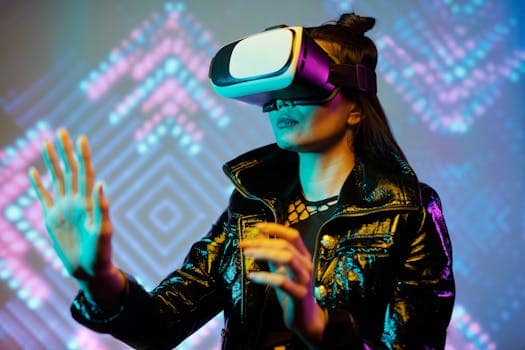
AI is enabling brands to offer highly personalized shopping experiences. AI-powered recommendation engines can suggest clothing items based on a customer’s past purchases, browsing history, and even their body type. Virtual try-on technologies, powered by AI and augmented reality (AR), allow customers to see how clothes will look on them before they buy, reducing returns and improving customer satisfaction.
The manufacturing process is also being transformed by AI. AI-powered robots can automate tasks such as cutting fabric and sewing garments, increasing efficiency and reducing costs. AI can also be used to optimize supply chains, predicting demand and ensuring that the right materials are available at the right time.
As AI technology continues to evolve, its impact on the fashion industry will only grow stronger. We can expect to see even more sophisticated AI-powered design tools, personalized shopping experiences, and sustainable manufacturing practices. The future of fashion is intelligent, personalized, and efficient, thanks to the power of AI.