Your cart is currently empty.
When you add a product, it will appear here.
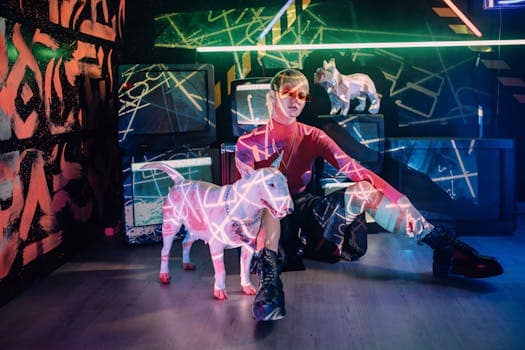
The fashion industry is undergoing a significant transformation, driven by growing awareness of environmental issues and a desire for more sustainable practices. Eco-friendly clothing is no longer a niche market but a mainstream trend, influencing designs, materials, and consumer choices.
One of the key drivers of this trend is the increasing availability and adoption of sustainable materials. These include:
Beyond materials, sustainable clothing also focuses on environmentally friendly production processes. This includes:
Circular fashion is another important aspect of sustainable clothing, emphasizing the importance of designing garments that can be easily recycled or repurposed. Upcycling, the process of transforming waste materials into new products, is also gaining traction, with designers creating unique and stylish pieces from discarded clothing and textiles.
Consumer demand for sustainable clothing is on the rise, driven by a growing awareness of the environmental and social impact of fashion. Consumers are increasingly seeking out brands that prioritize sustainability and are willing to pay a premium for eco-friendly products. This shift in consumer attitudes is pushing the fashion industry to adopt more sustainable practices and offer more environmentally responsible options.
Sustainable clothing is not just a trend; it’s the future of fashion. As technology advances and new materials and production processes emerge, we can expect to see even more innovative and sustainable solutions in the years to come. By embracing sustainable practices, the fashion industry can reduce its environmental impact and create a more ethical and responsible future.