Your cart is currently empty.
When you add a product, it will appear here.
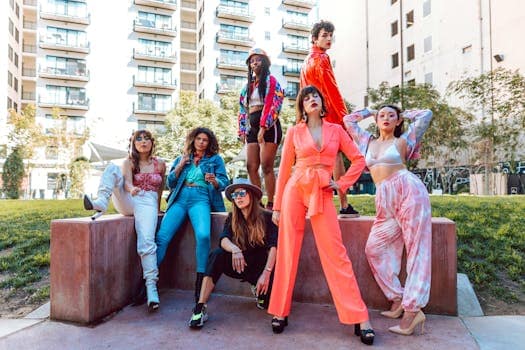
In an era of heightened environmental awareness, the fashion industry is undergoing a significant transformation. Consumers are increasingly demanding sustainable clothing options, driving brands to adopt eco-friendly practices. This blog post explores the rise of sustainable style, examining key trends and innovations shaping the future of fashion.
The traditional fashion industry has a considerable environmental footprint. From resource-intensive manufacturing processes to textile waste, the industry contributes significantly to pollution and climate change. Fast fashion, with its emphasis on disposable clothing, exacerbates these issues.
Technology plays a vital role in advancing sustainable fashion. Innovations in textile recycling, dye processes, and supply chain traceability are helping to minimize the environmental impact of clothing production. AI and machine learning can also be used to optimize resource usage and predict consumer demand, reducing waste.
Consumers are a driving force behind the sustainable fashion movement. By making informed purchasing decisions, supporting eco-conscious brands, and adopting sustainable habits, individuals can contribute to a more environmentally responsible fashion industry.
The future of fashion is undoubtedly sustainable. As consumer awareness grows and technological advancements continue, we can expect to see even more innovative and eco-friendly clothing options. Embracing sustainable style is not just a trend; it’s a necessary step towards a more responsible and environmentally conscious future.