Your cart is currently empty.
When you add a product, it will appear here.
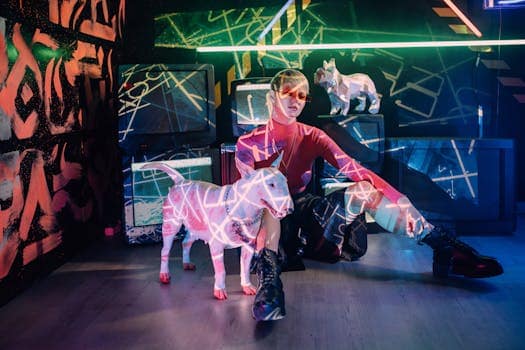
The metaverse, once a futuristic concept, is rapidly becoming a tangible reality, and its influence on the fashion industry is undeniable. Digital clothing is no longer a niche trend; it’s a burgeoning market transforming how we express ourselves, design, and consume fashion. This blog post explores how the metaverse is reshaping digital clothing styles and offering a glimpse into the future of wearable fashion.
The metaverse provides a unique space for individuals to create and customize digital avatars. These avatars become extensions of our real-world selves, allowing for experimentation with bold and unconventional styles without physical limitations. We’re seeing a rise in personalized digital clothing designed specifically for avatars, reflecting individuality and self-expression in the virtual realm.
Several innovative companies are now creating and selling digital-only clothing. These garments exist solely in the digital space, purchased and ‘worn’ on avatars within various metaverse platforms. This trend eliminates the environmental impact associated with traditional clothing production, promoting sustainability and responsible consumption. Digital fashion houses are experimenting with avant-garde designs, pushing the boundaries of what’s possible in wearable art.
The metaverse is also revolutionizing fashion shows and retail experiences. Brands are hosting virtual fashion shows, allowing a global audience to participate from the comfort of their homes. Digital showrooms offer immersive shopping experiences, where customers can virtually try on clothes and visualize how they would look before making a purchase. This interactive approach enhances engagement and provides a personalized shopping journey.
Despite its potential, the metaverse and digital fashion also present challenges. Ensuring interoperability between different metaverse platforms and establishing clear ownership rights for digital assets are crucial for the sustainable growth of the industry. However, the opportunities are immense. Digital clothing offers designers new avenues for creativity, reduces environmental impact, and provides consumers with personalized and engaging fashion experiences.
The metaverse is not just a virtual playground; it’s a catalyst for innovation in the fashion industry. Digital clothing is transforming how we design, consume, and express ourselves through style. As the metaverse continues to evolve, we can expect even more groundbreaking developments in wearable fashion, blurring the lines between the physical and digital worlds.