Your cart is currently empty.
When you add a product, it will appear here.
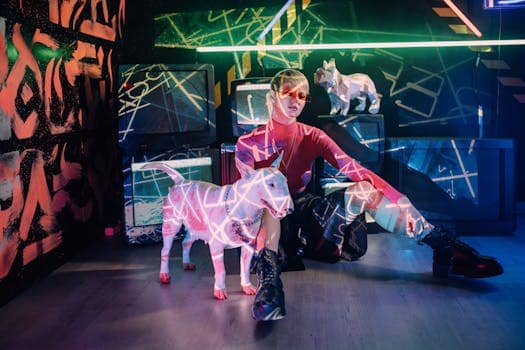
The metaverse, once a futuristic concept, is rapidly transforming the fashion industry, blurring the lines between the physical and digital worlds. Digital fashion, wearable tech, and virtual experiences are no longer niche trends but are becoming integral components of how we design, consume, and interact with clothing. This blog post explores how the metaverse is revolutionizing digital fashion, unveiling new trends and opportunities for designers and consumers alike.
One of the most significant impacts of the metaverse on fashion is the rise of digital avatars and virtual wardrobes. Users can now create personalized avatars and outfit them with digital clothing and accessories, expressing their unique style and personality in the virtual realm. Brands are capitalizing on this trend by creating and selling digital garments that can be worn by avatars in various metaverse platforms. This opens up new revenue streams for designers and allows consumers to experiment with different styles without the environmental impact associated with traditional clothing production.
The metaverse is also driving innovation in wearable tech, integrating fashion with functionality. Smart fabrics, sensors, and interactive displays are being incorporated into clothing, creating garments that can respond to the wearer’s environment and provide real-time data. Examples include jackets that adjust their temperature based on the weather, dresses with embedded screens that display dynamic patterns, and accessories that track biometric data. This fusion of fashion and technology is creating a new category of clothing that is both stylish and functional.
The metaverse provides a platform for virtual fashion shows and immersive brand experiences. Designers can showcase their collections in virtual environments, reaching a global audience without the limitations of physical location. These virtual events often incorporate interactive elements, allowing viewers to engage with the designs and even try on digital garments using augmented reality. This offers a more accessible and engaging way for consumers to experience fashion and connect with brands.
The metaverse is transforming digital fashion, creating new opportunities for designers, consumers, and brands. As technology continues to evolve, we can expect to see even more innovative and immersive fashion experiences in the virtual world. Embracing these trends will be crucial for those looking to stay ahead of the curve in the ever-evolving fashion industry.