Your cart is currently empty.
When you add a product, it will appear here.
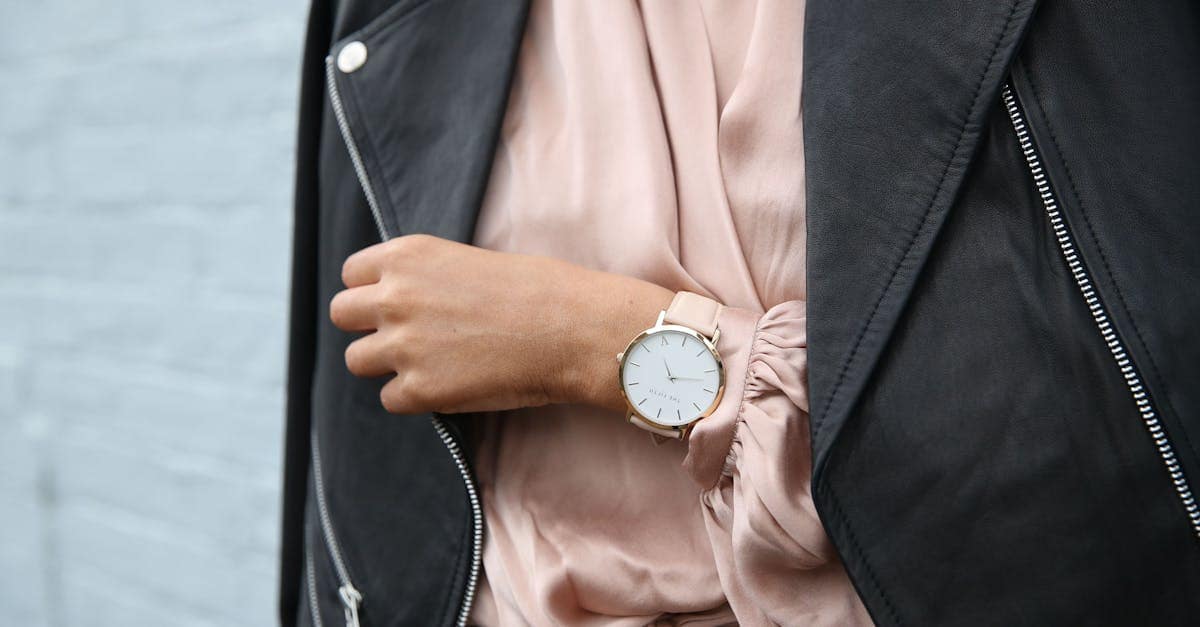
In today’s world, fashion is about more than just looking good – it’s about feeling good about the choices we make. With growing awareness of the environmental impact of the fashion industry, many of us are looking for ways to create a more sustainable wardrobe. Here’s your guide to embracing eco-friendly fashion!
Sustainable fashion refers to clothing and accessories that are produced, used, and disposed of in a way that minimizes environmental harm and maximizes social benefits. It considers the entire lifecycle of a garment, from raw material sourcing to disposal, focusing on reducing waste, conserving resources, and ensuring fair labor practices.
Before buying anything new, take stock of what you already own. Identify items you love and wear frequently, as well as those that no longer serve you. Consider repairing or altering items to extend their lifespan.
Opt for clothing made from sustainable materials such as:
Look for brands that prioritize sustainability and ethical practices. Research their production processes, materials, and labor standards. Certifications like GOTS (Global Organic Textile Standard) and Fair Trade can help you identify reputable brands.
Thrifting, vintage shopping, and consignment stores are great ways to find unique and affordable clothing while reducing waste. Online platforms like Depop, Poshmark, and ThredUp offer a wide selection of pre-owned items.
A capsule wardrobe consists of a limited number of versatile clothing items that can be mixed and matched to create a variety of outfits. This approach encourages mindful consumption and reduces clutter.
Extend the life of your clothes by washing them in cold water, using eco-friendly detergents, and air-drying them whenever possible. Repair or alter damaged items instead of discarding them.
When you’re ready to part with clothing, donate it to charity, sell it online, or recycle it through textile recycling programs. Avoid throwing clothing in the trash, as it can contribute to landfill waste.
Building a sustainable wardrobe doesn’t happen overnight. Start by making small, conscious choices and gradually incorporating more eco-friendly practices into your shopping habits. Every effort, no matter how small, contributes to a more sustainable and ethical fashion industry. By embracing sustainable style, you can look good, feel good, and make a positive impact on the planet.