Your cart is currently empty.
When you add a product, it will appear here.
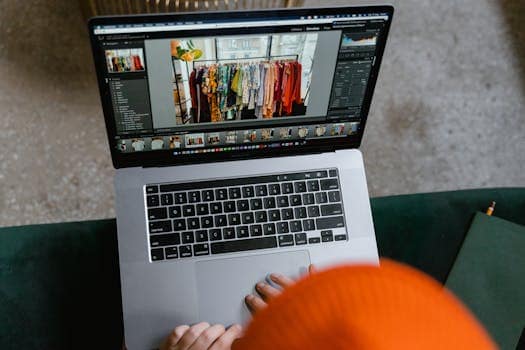
Artificial Intelligence (AI) is no longer a futuristic concept; it’s a present-day reality transforming industries across the globe, and the fashion world is no exception. From personalized shopping experiences to innovative textile design, AI is rapidly reshaping how we create, consume, and interact with clothing. This blog post explores the multifaceted ways AI is impacting the fashion industry, highlighting key applications and future trends.
AI algorithms are now capable of analyzing vast datasets of fashion trends, consumer preferences, and historical sales data to predict upcoming styles. This allows designers to create collections that are not only aesthetically pleasing but also highly marketable. AI can also optimize manufacturing processes, reducing waste and improving efficiency in textile production. Consider these specific examples:
AI is enhancing the online and in-store shopping experience by providing personalized recommendations and tailored services. AI-powered chatbots offer instant customer support, while virtual stylists provide personalized outfit suggestions based on individual preferences and body types. Augmented reality (AR) apps allow customers to virtually try on clothes before making a purchase, reducing returns and improving customer satisfaction.
The fashion industry is notorious for its environmental impact, but AI is offering solutions to promote sustainability. AI algorithms can optimize supply chains, reducing transportation emissions and minimizing waste. AI-powered systems can also analyze fabric composition and recyclability, facilitating the development of more sustainable materials and closed-loop recycling processes.
As AI technology continues to evolve, we can expect even more transformative applications in the fashion industry. Personalized clothing designed to perfectly fit individual body shapes and preferences will become commonplace. AI-powered fashion assistants will curate our wardrobes and provide styling advice based on our individual needs and lifestyle. The possibilities are endless, and the future of fashion is undoubtedly intertwined with the power of artificial intelligence.