Your cart is currently empty.
When you add a product, it will appear here.
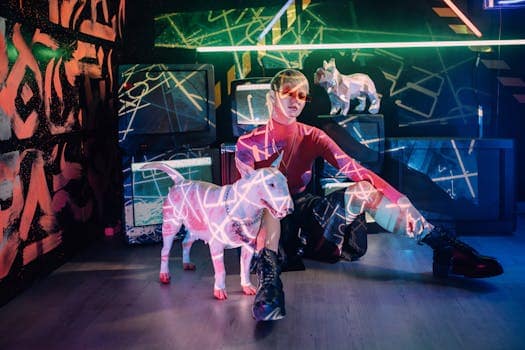
Artificial intelligence (AI) is rapidly transforming various industries, and the fashion world is no exception. From predicting trends to optimizing supply chains and enhancing customer experiences, AI is poised to revolutionize how we design, manufacture, and consume clothing. This blog post delves into the exciting applications of AI in fashion, exploring its potential to shape the future of style.
One of the most promising applications of AI in fashion is trend forecasting. AI algorithms can analyze vast amounts of data, including social media posts, online search queries, runway shows, and sales data, to identify emerging trends and predict future fashion preferences. This enables designers and retailers to stay ahead of the curve and create clothing that aligns with consumer demand. For instance, AI can detect a growing interest in sustainable materials or a resurgence of a particular color palette, allowing brands to proactively adapt their collections.
AI is also empowering designers to create more innovative and personalized clothing. AI algorithms can generate new design ideas, experiment with different patterns and colors, and even create virtual prototypes. This allows designers to explore a wider range of possibilities and bring their creative visions to life more efficiently. Furthermore, AI can be used to personalize clothing recommendations based on individual customer preferences, body types, and style preferences. This leads to a more satisfying and tailored shopping experience.
AI is streamlining the manufacturing process and optimizing supply chains in the fashion industry. AI-powered robots can automate tasks such as cutting, sewing, and quality control, reducing production time and costs. AI can also optimize inventory management, predict demand fluctuations, and minimize waste. This leads to a more sustainable and efficient supply chain, reducing the environmental impact of the fashion industry.
E-commerce is further enhanced with AI through virtual try-on technologies. Customers can use their smartphone cameras to virtually ‘try on’ clothes before making a purchase, improving confidence and reducing returns. This technology leverages AI to accurately map clothing onto the customer’s body, providing a realistic preview of how the garment will look.
While AI offers significant potential for the fashion industry, there are also challenges to consider. One concern is the potential displacement of human workers due to automation. It’s crucial to address this issue by investing in training and education programs that equip workers with the skills needed to thrive in the AI-driven economy. Another challenge is ensuring that AI algorithms are fair and unbiased, avoiding perpetuating harmful stereotypes or discriminatory practices. Despite these challenges, the opportunities for AI in fashion are vast, and its transformative impact is only just beginning to unfold.
AI is poised to revolutionize the fashion industry, from trend forecasting and design to manufacturing and personalization. By embracing AI, fashion brands can become more innovative, efficient, and sustainable, ultimately creating a better experience for consumers. As AI technology continues to evolve, we can expect to see even more exciting applications emerge, shaping the future of style in profound ways.