Shopping Cart

Your cart is currently empty.

When you add a product, it will appear here.
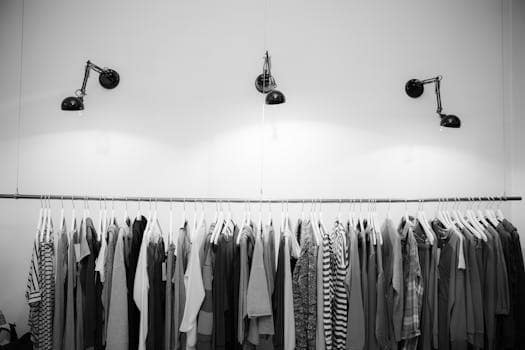
AI-Powered Style: Revolutionizing Fashion and Clothing Design

Introduction

Artificial Intelligence (AI) is no longer a futuristic concept; it’s a present-day reality transforming industries across the board, and fashion is no exception. From personalized shopping experiences to innovative textile designs, AI is weaving its way into the very fabric of the fashion world. This blog post delves into the exciting applications of AI in clothing and style, exploring how it’s reshaping design, manufacturing, and consumer engagement.

AI-Driven Design and Textile Innovation

AI algorithms are capable of analyzing vast datasets of fashion trends, historical designs, and consumer preferences to generate novel designs. This allows designers to explore new aesthetic possibilities and create unique clothing lines. AI can also optimize textile manufacturing processes, reducing waste and improving efficiency. For example:

  • Generative Design: AI algorithms can generate countless design variations based on specific parameters (e.g., style, color palette, target demographic), allowing designers to quickly iterate and refine their ideas.
  • Predictive Analytics: AI can predict upcoming fashion trends by analyzing social media data, search queries, and runway shows, enabling designers to stay ahead of the curve.
  • Sustainable Materials: AI is being used to develop new, sustainable textiles by optimizing material properties and reducing environmental impact.

Personalized Shopping Experiences

AI is enhancing the online shopping experience through personalized recommendations, virtual try-on tools, and AI-powered style advisors. This is leading to increased customer satisfaction and sales. Consider these examples:

  • Personalized Recommendations: AI algorithms analyze customer purchase history and browsing behavior to recommend clothing items that are likely to be of interest.
  • Virtual Try-On: Augmented reality (AR) and AI are combined to allow customers to virtually try on clothes before making a purchase, reducing returns and improving customer satisfaction.
  • AI-Powered Style Advisors: Chatbots and virtual assistants use AI to provide personalized style advice and help customers find the perfect outfits.

Supply Chain Optimization and Demand Forecasting

AI is improving the efficiency and sustainability of the fashion supply chain by optimizing logistics, reducing waste, and forecasting demand. This results in lower costs and a more environmentally responsible industry.

  • Demand Forecasting: AI algorithms can accurately predict demand for specific clothing items, allowing manufacturers to optimize production and reduce waste.
  • Inventory Management: AI can optimize inventory levels by tracking sales data and predicting future demand, minimizing stockouts and overstocking.
  • Logistics Optimization: AI can optimize transportation routes and delivery schedules, reducing shipping costs and environmental impact.

Conclusion

AI is revolutionizing the fashion industry, offering exciting opportunities for innovation and efficiency. From AI-driven design and personalized shopping experiences to supply chain optimization and demand forecasting, AI is transforming every aspect of the clothing and style world. As AI technology continues to advance, we can expect even more groundbreaking applications in the years to come, shaping the future of fashion in profound ways.

Leave a Reply

Your email address will not be published.