Your cart is currently empty.
When you add a product, it will appear here.
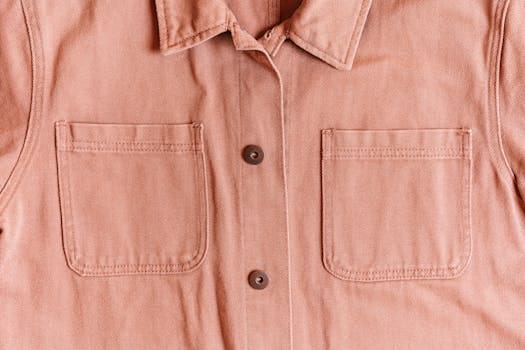
The fashion industry has long been criticized for its environmental impact. From resource-intensive production processes to textile waste, the industry contributes significantly to pollution and climate change. However, a growing movement towards sustainable fashion is gaining momentum, offering innovative solutions and a fresh perspective on how we produce, consume, and dispose of clothing. This blog post explores the key trends and developments in sustainable fashion, highlighting the brands, materials, and practices that are driving positive change.
One of the most significant aspects of sustainable fashion is the shift towards eco-friendly materials. Conventional materials like cotton and polyester have a heavy environmental footprint. Sustainable alternatives are becoming increasingly popular:
Sustainable fashion goes beyond just materials; it also encompasses ethical production practices. This includes ensuring fair wages, safe working conditions, and respect for human rights throughout the supply chain. Brands committed to ethical production often partner with Fair Trade organizations and transparently disclose their sourcing and manufacturing processes.
The concept of circular fashion aims to minimize waste and maximize the lifespan of clothing. This includes designing for durability, encouraging repair and reuse, and promoting recycling and upcycling. The secondhand market, including thrift stores, consignment shops, and online platforms, is playing an increasingly important role in extending the life cycle of clothing and reducing textile waste. Renting clothing is another circular approach gaining popularity.
Technology is playing a crucial role in advancing sustainable fashion. Innovations in textile recycling, such as chemical recycling, are enabling the recovery of fibers from textile waste and the creation of new materials. 3D printing is also being used to create custom-made clothing with minimal waste. Furthermore, blockchain technology can improve transparency and traceability in the supply chain, ensuring that products are ethically and sustainably sourced.
Ultimately, the success of sustainable fashion depends on consumer awareness and demand. As consumers become more aware of the environmental and social impacts of their clothing choices, they are increasingly seeking out sustainable alternatives. By supporting brands that prioritize sustainability, consumers can drive positive change in the fashion industry and contribute to a more environmentally responsible future.
Sustainable fashion is not just a trend; it’s a necessary evolution. By embracing eco-friendly materials, ethical production practices, circular economy principles, and technological innovations, the fashion industry can reduce its environmental impact and create a more sustainable future for all. As consumers, we have the power to support this movement by making informed choices and demanding greater transparency and accountability from brands.