Your cart is currently empty.
When you add a product, it will appear here.
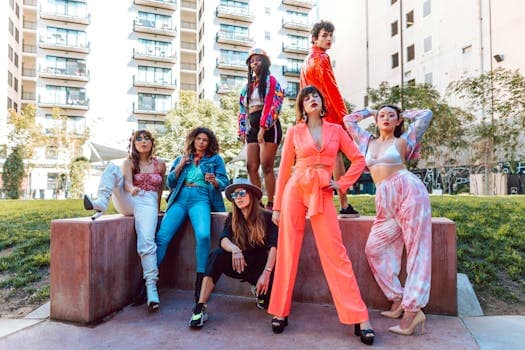
The fashion industry is undergoing a significant transformation, with sustainability taking center stage. Consumers are increasingly aware of the environmental and social impact of their clothing choices, driving demand for eco-friendly alternatives. This blog post explores the latest trends in sustainable fashion, highlighting innovative materials, ethical production practices, and conscious consumption habits.
One of the most prominent trends in sustainable fashion is the use of upcycled and recycled fabrics. Designers are finding creative ways to transform discarded materials into stylish and desirable garments. Upcycling involves repurposing existing materials, such as vintage clothing or textile waste, to create new items. Recycling, on the other hand, involves breaking down materials into their raw components and then reforming them into new fabrics. This reduces the need for virgin materials and minimizes waste.
Sustainable fashion also encompasses ethical production practices, which prioritize fair wages, safe working conditions, and respect for human rights. Brands that are committed to ethical production often work with factories that adhere to fair labor standards and provide transparency about their supply chains. Look for certifications such as Fair Trade and GOTS (Global Organic Textile Standard) to ensure that your clothing is made ethically.
Consumers play a vital role in driving the sustainable fashion movement. By adopting conscious consumption habits, we can reduce our environmental impact and support ethical brands. This includes:
Sustainable fashion is not just a trend; it’s a movement that is here to stay. As technology advances and consumer awareness grows, we can expect to see even more innovative and sustainable solutions in the fashion industry. From lab-grown fabrics to circular economy models, the future of fashion is looking greener and more ethical than ever before.