Your cart is currently empty.
When you add a product, it will appear here.
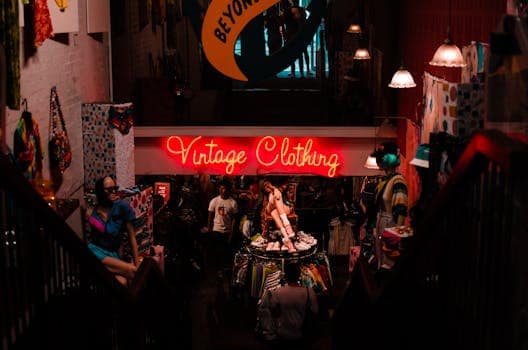
The fashion industry is undergoing a significant transformation, driven by growing awareness of its environmental impact. Consumers are increasingly demanding eco-friendly alternatives, pushing designers and manufacturers to explore sustainable clothing materials. This blog post delves into the key trends in sustainable fabrics and their impact on the future of fashion.
Recycled fabrics are gaining immense popularity as a sustainable alternative. These materials, often made from recycled plastic bottles (rPET) or reclaimed textiles, reduce waste and minimize the need for virgin resources. Brands are increasingly incorporating recycled polyester and nylon into their collections, offering stylish and environmentally responsible options.
Beyond recycled materials, the fashion industry is exploring innovative plant-based fabrics that offer sustainable and biodegradable alternatives to conventional textiles. These materials are derived from natural sources and processed with minimal environmental impact.
The shift towards sustainable clothing materials is not just a trend; it’s a fundamental change in the way fashion is designed, produced, and consumed. As technology advances and consumer demand grows, we can expect to see even more innovative and eco-friendly fabrics emerge. By embracing sustainable materials, the fashion industry can reduce its environmental footprint and create a more responsible and ethical future.
From recycled fabrics to innovative plant-based materials, the fashion industry is embracing sustainability like never before. By choosing eco-friendly clothing materials, consumers can make a positive impact on the planet while staying stylish and on-trend. The future of fashion is undoubtedly green, and the possibilities are endless.