Your cart is currently empty.
When you add a product, it will appear here.
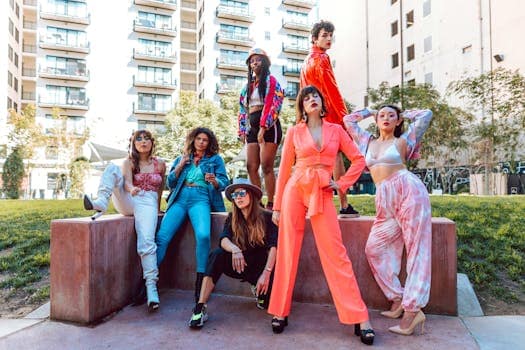
The fashion landscape is in a constant state of evolution, driven by innovation, sustainability, and a shifting cultural consciousness. As we look ahead, exciting new trends are emerging that promise to redefine our wardrobes and the very essence of style. From cutting-edge textiles to personalized aesthetics, the future of fashion is vibrant, dynamic, and deeply connected to our world.
Sustainability is no longer a niche concept but a core pillar of future fashion. Consumers are increasingly demanding transparency and ethical practices, pushing designers to innovate with eco-friendly materials and production methods. Expect to see a surge in:
The digital realm is profoundly influencing how we design, showcase, and even wear clothing. Digital-only fashion, AR try-ons, and immersive virtual experiences are paving the way for a new era of style.
The demand for clothing that not only looks good but also performs well continues to grow. Future fashion will seamlessly integrate technology and innovative design to create garments that adapt to our needs and environment.
The future of fashion is a thrilling convergence of creativity, technology, and conscious consumerism. As designers push boundaries and innovators create new possibilities, we can look forward to a world where clothing is not just about aesthetics, but also about sustainability, functionality, and a deeper connection to our personal and digital identities. Get ready to embrace a wardrobe that is as intelligent and adaptable as you are!